
Table of Contents
- Streetwear Fit Fundamentals: Why Silhouette Matters
- How to Choose the Right Size Streetwear (Without Guessing)
- How to Style Oversized Graphic Tees for Balance
- Streetwear Outfits for Different Body Types
- Streetwear Layering Tips for Every Season
- Fit Troubleshooting by Garment Area
- Tailoring, Shrinkage, and Maintaining Your Perfect Streetwear Fit
- Conclusion
- Frequently Asked Questions
Last Updated: October 18, 2026
Streetwear Fit Fundamentals: Why Silhouette Matters
The single biggest mistake in streetwear is buying for size when you should be buying for silhouette.
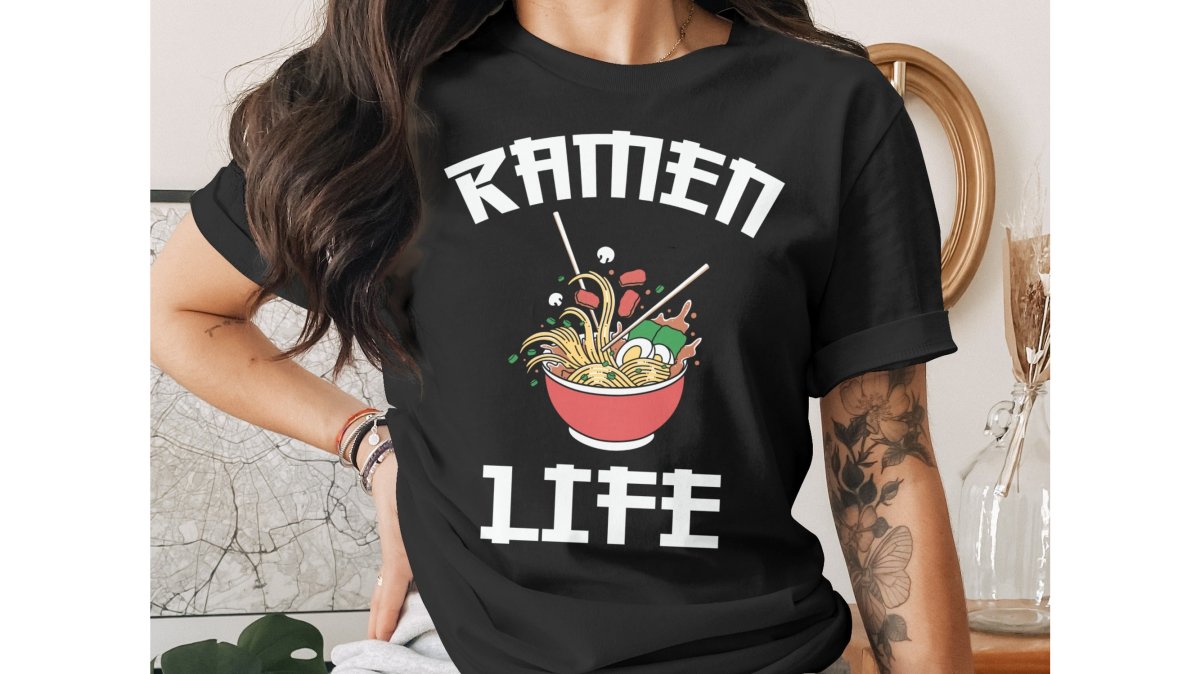
At Gilded & Gritty, we build our tees around a retail fit because it gives you room to move without swimming in fabric. That's the foundation.

Here's the core principle: streetwear works on balance, not tightness. A loose top needs a grounded bottom. A boxy jacket needs a tapered leg.
How to Choose the Right Size Streetwear (Without Guessing)
The best way to choose the right size streetwear is to build a personal measurement sheet from a garment you already own and love, then compare those numbers to the brand's size chart before you buy. Guessing from a letter on a tag is how you end up with sleeves that swallow your hands.
Most size charts list body measurements, not garment measurements. That's the trap. A chart saying "chest 40 inches" usually means it fits a 40-inch chest with some ease built in, not that the shirt measures 40 inches flat.
The repeatable measurement and fit-check process
Instead of eyeballing a size chart, measure a garment you already own and compare it to the chart. Grab a soft measuring tape, lay the garment flat, and record these numbers:
- Chest (pit-to-pit): measure straight across the shirt from armpit seam to armpit seam, then double it. This is the flat chest measurement.
- Shoulders: measure from one shoulder seam to the other across the back.
- Sleeve: measure from the shoulder seam to the cuff along the outside of the sleeve.
- Body length: measure from the shoulder seam straight down to the hem.
- Waist: measure across the waistband of pants, then double it.
- Rise: measure from the crotch seam up to the top of the waistband.
- Inseam: measure from the crotch seam down the inside leg to the hem.
- Leg opening: measure straight across the bottom of the pant leg, then double it.
Save those numbers in your phone notes, they're your baseline for every purchase. When you shop online, compare your baseline to the brand's flat measurements, not the letter on the tag. If the brand only publishes body measurements, add your preferred ease: most people find 2-4 inches at the chest gives a retail fit, while 4-6 inches gives a relaxed or oversized look.
Reading size charts like a pro
A size chart is only useful if you know which numbers it's giving you. Body measurements describe the person the garment is designed to fit; flat measurements describe the garment itself. When a chart mixes the two, treat the flat numbers as the source of truth.
If a chart lists only body measurements, size up if you want a relaxed look and stay true to size if you want a retail fit. Our own tees use unisex sizing, so check the flat numbers against a tee you already own rather than defaulting to your usual letter.

Brand-to-brand sizing and online shopping
Sizing drifts between brands. A medium from one label can match a large from another. This is why your measurement notes matter more than any tag. Before you buy online:
- Check the return policy first, especially for final-sale items.
- Read reviews that mention fit, not just design.
- Look for "runs small" or "runs true to size" notes.
- Compare the brand's flat measurements to your baseline sheet.
- Save your measurements in your phone notes for quick reference.
Fabric affects fit too. A 100% cotton tee behaves differently from a cotton-poly blend, and cotton can shrink slightly after the first wash, so factor in a little room if you're between sizes. A stiff outer layer holds its shape, while a soft one drapes closer to the body.
How to Style Oversized Graphic Tees for Balance
Styling an oversized graphic tee comes down to one rule: let the tee be the loudest piece and keep everything else quiet. The graphic is the statement. Your job is to frame it, not compete with it.
Here's how we'd build the outfit:
- Tuck the front hem slightly into your waistband to define your waist and shorten the tee's visual length
- Pair with a tapered or straight-leg pant so the loose top has a grounded bottom
- Roll the sleeves once to show forearm and add shape to the shoulder line
- Keep footwear simple: clean sneakers or chunky trainers both work
- Skip the busy accessories if the graphic is already detailed
A common mistake is pairing an oversized tee with baggy everything. That erases your shape entirely. Instead, balance volume with structure: one loose piece, one fitted or tapered piece.
Streetwear Outfits for Different Body Types
Streetwear outfits for different body types all follow the same logic: use fit to control where the eye lands. You're not hiding your body, you're directing attention.
For taller frames: you can carry more volume. Go for longer tees, wider pants, and layered jackets.
For shorter frames: keep your top and bottom close in tone to create one continuous line, a monochrome look adds height.
For broader shoulders: a relaxed or retail fit tee balances a wide upper body.
For narrower frames: layering adds visual weight. A tee under an open jacket or overshirt builds structure without bulk.
Fit guidance across body proportions and accessibility needs
Broad body-type advice only goes so far. What actually changes how a garment fits is your torso-to-leg relationship, your height, and how much range of motion you want.
- Long torso, shorter legs: a slightly longer tee can balance the torso, but keep the hem above mid-thigh so it doesn't shorten your legs further. A higher rise on pants adds leg length visually.
- Short torso, longer legs: a cropped or hip-length tee keeps the proportions balanced. Avoid very long tees that swallow the torso.
- High hip or low hip: the rise of your pants matters more than the leg shape. A rise that sits at your natural waist keeps the waistband from pulling; a low rise can create a gap at the back when you sit.
- Mobility and range of motion: if you prefer loose clothing for comfort or accessibility, choose a relaxed fit at the chest and shoulders first, then taper the leg so the silhouette stays grounded. A garment that binds at the shoulder or seat is the most common source of discomfort, fit the shoulders and seat first, then adjust everything else.
Fit the shoulders first, then adjust the hem, sleeve, and leg. If a piece still doesn't work, a tailor can hem a too-long tee, take in a waistband, or taper a pant leg, often cheaper than replacing a piece you love.
Crimson Sun Samurai Graphic T-Shirt →
The one universal rule: your hem should land where you want attention. A hem at the hip draws the eye up. A longer hem draws it down. Use that rule with your own proportions, not a generic body-type label, and you'll get a fit that actually works for you.
Streetwear Layering Tips for Every Season
Layering is how streetwear survives weather changes without losing its shape. Build from thin to thick and keep your outer layer structured.
Warm weather: a light tee as your base, an open short-sleeve overshirt on top. Keeps you breathable and adds depth.
Cool weather: a tee under a hoodie, then a jacket over that. Three layers give you texture and warmth.
Cold weather: add a water-resistant outer shell. Keep your base layer thin so you don't overheat indoors.
Layering rules that actually matter:
- Keep your base layer fitted so it doesn't bunch
- Let your outer layer be the bulkiest piece
- Match your layers in tone for a clean look, or contrast for a bolder one
- Don't layer more than three pieces or you'll lose your silhouette
Our graphic tees work well as a base layer because the retail fit sits close without clinging.

Fit Troubleshooting by Garment Area
Fit problems have specific fixes. Here's how to diagnose what's wrong.
| Problem Area | What It Looks Like | The Fix |
|---|---|---|
| Shoulders | Seams slide down your arm | Size down or choose a retail fit |
| Sleeves | Cuffs swallow your hands | Roll once or size down |
| Chest | Fabric pulls across the front | Size up or switch to a looser cut |
| Hem | Rides up when you move | Look for a longer body length |
| Seat | Pants pull tight when sitting | Go up a size or pick a relaxed rise |
| Thighs | Fabric strains or bunches | Choose a straight or relaxed leg |
| Ankle | Pants pool over your shoes | Try a tapered or cropped leg |
Work through this list before you return anything. Sometimes the fix is a roll of the sleeve, not a new order.
Tailoring, Shrinkage, and Maintaining Your Perfect Streetwear Fit
A perfect streetwear fit isn't permanent. Two things change it over time: shrinkage and wear.
Shrinkage: cotton can shrink after the first wash, especially in hot water.
Tailoring: a tailor can hem a too-long tee, take in a waistband, or taper a pant leg, often cheaper than replacing a piece you love. A hem job is the most common fix.
Care that protects fit:
- Wash inside out to protect the print
- Skip the dryer or use low heat
- Fold instead of hanging heavy knits
- Store tees flat to avoid stretched shoulders
Our tees use a tear-away label and side seams, which means they hold their shape through regular washing. The print is the part to protect, so cold water and inside-out washing are your best habits.
Conclusion
Getting the perfect streetwear fit isn't about luck or a magic size. It's about measuring what you own, reading charts properly, and balancing your silhouette from top to bottom.
If you're tired of tees that fit wrong or fall apart after a few washes, that's exactly what we built Gilded & Gritty for. Our original graphic tees use premium Airlume combed cotton for everyday comfort, a retail fit that sits right without guessing, and bold designs that hold up wash after wash. No templates, no rules, just pieces that let you wear your story with confidence.
Frequently Asked Questions
What is the 3-3-3 rule for clothing?
The 3-3-3 rule is a simple styling framework: aim for no more than three colors, three patterns, and three accessories in one outfit. In streetwear, this helps you avoid visual clutter while still layering boldly. For example, pair a graphic tee (one pattern) with solid joggers and a jacket (two more colors), then add sneakers and a cap (two accessories). It keeps your look cohesive without stifling self-expression. Use it as a guideline, not a strict law, especially when mixing oversized pieces.
How should oversized streetwear fit?
Oversized streetwear should feel roomy but intentional. The shoulders should sit slightly past your natural shoulder line, sleeves should end around mid-bicep or elbow, and the hem should hit mid-hip. Avoid fabric that swallows your entire frame; you want drape, not a tent. Check that you can move your arms freely and that the neckline doesn't gape. A good test: if the garment looks like it's wearing you, size down. The goal is relaxed comfort that still shows your silhouette.
How do I balance proportions in a streetwear outfit?
Balance proportions by pairing volume with structure. If you wear an oversized graphic tee, anchor it with straight-leg or tapered pants rather than baggy bottoms. Conversely, a slim-fit top works with wide-leg cargos. Use the 60/30/10 rule: 60% of your outfit in a dominant color, 30% in a secondary color, and 10% in an accent. This visual math keeps oversized streetwear from looking sloppy. Also consider your height: shorter frames benefit from cropped jackets, while taller frames can handle longer hems.
What pants go best with an oversized graphic tee?
Straight-leg jeans, tapered joggers, and utility cargos are the best pants for an oversized graphic tee. Straight-leg denim offers a clean, classic contrast to a roomy top. Tapered joggers create a streamlined lower half that balances the tee's volume. Cargos add functional streetwear edge and work well with chunky sneakers. Avoid super-skinny jeans unless you want a dramatic proportion shift; they can make the top look even bigger. For a cohesive look, match the formality: a relaxed tee pairs best with relaxed pants.


